Precision aluminum casting is shaping the future of engineering in this article.
Why Light Weight Aluminum Foundries Are Vital To the Expanding Electric Car Industry
Aluminum factories play an essential function in the electric lorry industry by providing sturdy and lightweight elements. These products contribute greatly to vehicle performance and efficiency. The innovative casting methods utilized by factories permit elaborate styles that boost both the rules of aerodynamics and thermal administration. As sustainability ends up being a priority, the shift to recycled aluminum and energy-efficient methods increases crucial questions about the future landscape of EV production and its environmental effect.
The Role of Light Weight Aluminum in Electric Lorry Design
As electrical car manufacturers seek to enhance performance and performance, aluminum has actually become a crucial material in lorry layout. Its light-weight nature adds significantly to the general reduction of car mass, which is crucial for maximizing battery efficiency and prolonging variety. Aluminum is also highly malleable, enabling intricate designs that enhance the rules of aerodynamics and visual charm. Its excellent corrosion resistance assurances long life, reducing the requirement for upkeep over time. In addition, aluminum's thermal conductivity aids in efficient warmth management systems, important for electrical drivetrains and battery longevity. These features make light weight aluminum a preferred option for different elements, including chassis, body panels, and battery rooms. As the sector evolves, aluminum factories play an essential function in supplying top quality materials tailored for advanced production processes, therefore sustaining the continuous development in electrical vehicle modern technology. This synergy in between light weight aluminum and electric automobile design highlights the product's integral position in modern automotive engineering.
Advantages of Lightweight Materials for EV Performance
Weight decrease is a vital consider boosting electrical automobile (EV) performance. Lighter materials, such as aluminum, play a considerable duty in this scenario by enhancing performance and expanding the car's range. When an EV weighs much less, it calls for much less energy to preserve and increase speed, thereby maximizing battery use. This efficiency not only boosts efficiency yet also adds to quicker billing times and reduced power consumption.
Light-weight materials improve dealing with and responsiveness, making the driving experience much more satisfying. They likewise allow developers to develop even more aerodynamic forms, better reducing drag and boosting general effectiveness. Additionally, using light-weight products can result in reduced manufacturing expenses and raised sustainability, as they commonly require much less energy to make. Eventually, including lightweight products in EV design is vital for attaining the efficiency goals essential to contend in a significantly demanding vehicle market.
Advancements in Aluminum Spreading Techniques
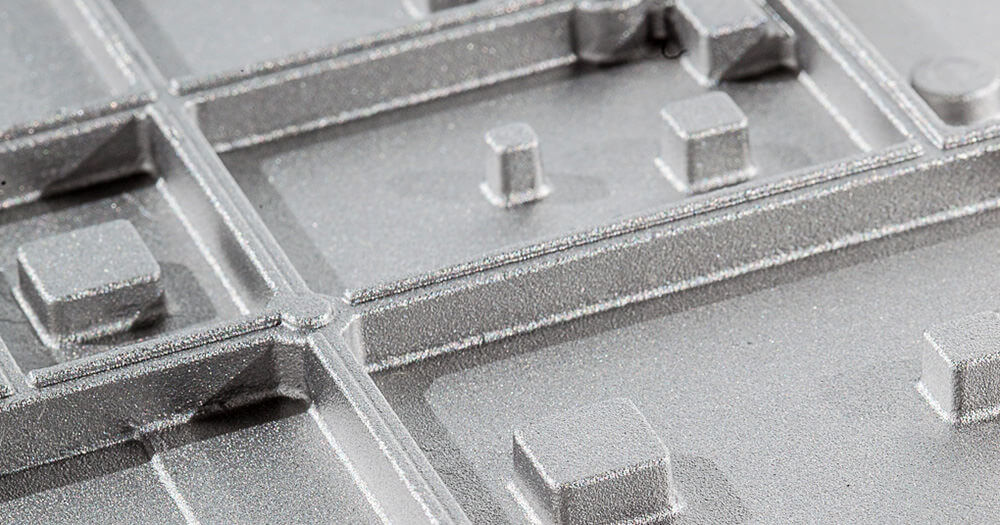
Current developments in aluminum spreading techniques are transforming the production procedure for electric automobile components. Developments such as high-pressure die casting and metal shot molding make it possible for the manufacturing of intricate geometries with enhanced toughness and lowered weight. These methods allow for tighter tolerances and enhanced surface coatings, which are important for EV efficiency and appearances.
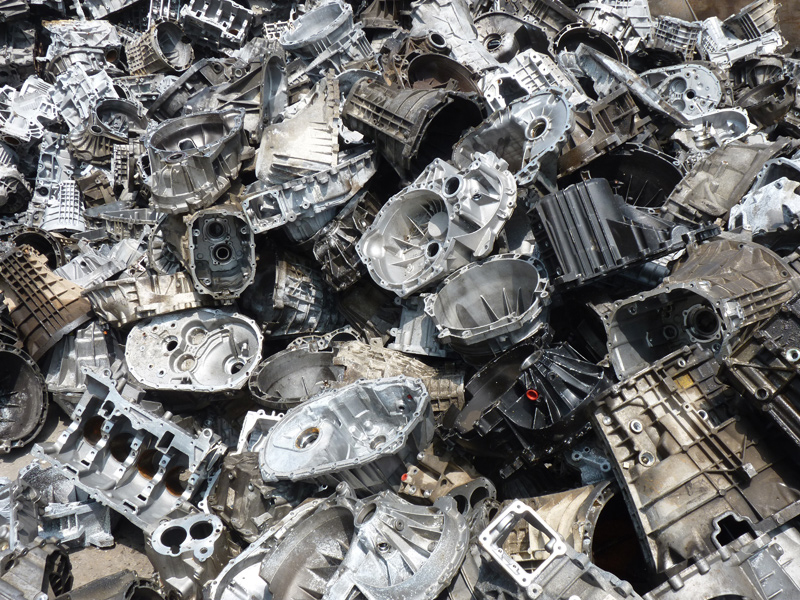
These technologies not just support the demand for light-weight parts yet additionally enhance the overall durability and safety of electric vehicles. their website As the sector proceeds to progress, these developments in light weight aluminum spreading are readied to play a critical role in fulfilling the needs of modern-day automotive design and manufacturing.
Sustainability and the Future of Aluminum Foundries
While the demand for electrical lorries surges, aluminum foundries deal with the pressing obstacle of taking on lasting techniques to lower their environmental footprint. The industry is increasingly scrutinized for its energy-intensive processes and carbon discharges. To address these problems, factories are discovering cutting-edge techniques such as utilizing recycled aluminum, which requires substantially much less energy than producing brand-new light weight aluminum from ore. Additionally, the combination of renewable resource resources, like solar and wind, is becoming a lot more common in aluminum manufacturing.
Investments in sophisticated technologies, such as electric furnaces and energy-efficient casting methods, likewise play a crucial duty in boosting sustainability. In addition, partnership with automotive suppliers can guarantee that the entire supply chain focuses on environmental obligation. As the electrical lorry market remains to grow, light weight aluminum shops that embrace these sustainable practices will certainly not just fulfill regulative needs but also position themselves as leaders in an increasingly eco-conscious industry.
Case Studies: Effective Applications of Aluminum in EVs
As electrical car makers look for to enhance performance and efficiency, the calculated usage of light weight aluminum has actually arised as a key consider successful lorry design. Noteworthy study highlight this trend. As an example, Tesla's Version S utilizes aluminum thoroughly in its framework and body, considerably lowering weight while keeping architectural honesty. This selection not only enhances acceleration and array however additionally boosts safety features.
In a similar way, Ford's F-150 Lightning includes light weight aluminum to accomplish a lower total weight, permitting increased haul ability and much better energy efficiency. The car's aluminum body panels and structure add to a robust yet lightweight framework, promoting enhanced performance
Additionally, Audi's e-tron showcases aluminum's versatility, using it in both the automobile's body and battery housing, boosting thermal monitoring and toughness. These examples demonstrate exactly how light weight aluminum's distinct homes are being leveraged throughout the electrical vehicle sector, establishing benchmarks for technology and sustainability.
Often Asked Questions
What Kinds of Light Weight Aluminum Alloys Are Frequently Used in EV Manufacturing?
Generally made use of aluminum alloys in electrical car production include 6061, 7005, and 2024. These alloys offer a combination of toughness, lightweight residential or commercial properties, and deterioration resistance, making them suitable i thought about this for numerous components within electrical vehicles.
Just How Do Aluminum Foundries Influence Citizen Economies?
Aluminum factories substantially boost local economic climates by producing tasks, boosting related industries, and attracting financial investments - Aluminum Foundry. Their procedures cause boosted demand for solutions and products, fostering growth and stability within the surrounding areas
What Are the Safety Factors To Consider of Making Use Of Aluminum in EVS?
Safety considerations of utilizing aluminum in electric lorries include its flammability, structural stability under effect, and capacity for corrosion. Proper alloy selection and therapy procedures are crucial to guarantee performance and security throughout lorry operation.
Exactly How Does Light Weight Aluminum Recycling Influence the Industry?
Light weight aluminum reusing substantially profits the market by decreasing manufacturing expenses, decreasing ecological effect, and conserving power. This lasting method enhances source efficiency, supporting the development of electric cars and advertising a circular economic situation within the vehicle field.
What Are the Labor Requirements for Light Weight Aluminum Foundries in EV Manufacturing?
Labor requirements for light weight aluminum factories in electrical vehicle production consist of experienced professionals for spreading, engineers for style and optimization, and safety employees. Furthermore, training in reusing processes enhances performance and sustainability in the manufacturing chain.
Aluminum foundries play a critical duty in the electrical automobile industry by supplying lightweight and long lasting parts. As electrical vehicle manufacturers view website look for to enhance performance and effectiveness, light weight aluminum has actually emerged as an important product in lorry design. As the industry develops, aluminum foundries play an essential function in providing top quality products tailored for advanced manufacturing procedures, consequently sustaining the continuous advancement in electrical car modern technology - aluminum casting. To address these worries, factories are checking out ingenious techniques such as utilizing recycled light weight aluminum, which calls for significantly much less energy than producing new light weight aluminum from ore. As electric vehicle manufacturers seek to enhance performance and efficiency, the strategic usage of light weight aluminum has arised as a crucial element in successful car style